Baking Show

Best Rolling Pins

Rolling pins split into French tapered (no handles, more feel and control) and American style (handled, more leverage), pick based on how you actually roll rather than which looks nicer on a shelf. Weight matters too, a heavier pin does more of the work on stiff cold dough.

On the shows: Nearly every pastry and biscuit challenge on Great British Bake Off and Great American Baking Show opens with a rolling pin and a nervous glance at the clock; it is one of the most-reached-for hand tools in the tent.

Some links below are Amazon affiliate links. If you buy through them we may earn a small commission, at no extra cost to you. See our affiliate disclosure.

Our picks at a glance

Start with the job you need the tool to do. The price bands are a quick way to compare investment level, not a promise of an exact price.

How to choose rolling pins

Start with the task

Match the tool to what you bake most often, the batch size you make, and how much counter or storage space you can give it.

Check useful specs

Compare capacity, included parts, materials, and manufacturer-stated features that affect day-to-day use rather than headline claims.

Pay for the difference

A higher price makes sense when it buys capability you will use. For occasional baking, the simpler pick is often the better fit.

The picks, explained

Each recommendation below explains who it suits, why it earned a place, and which published detail is worth checking before you buy.

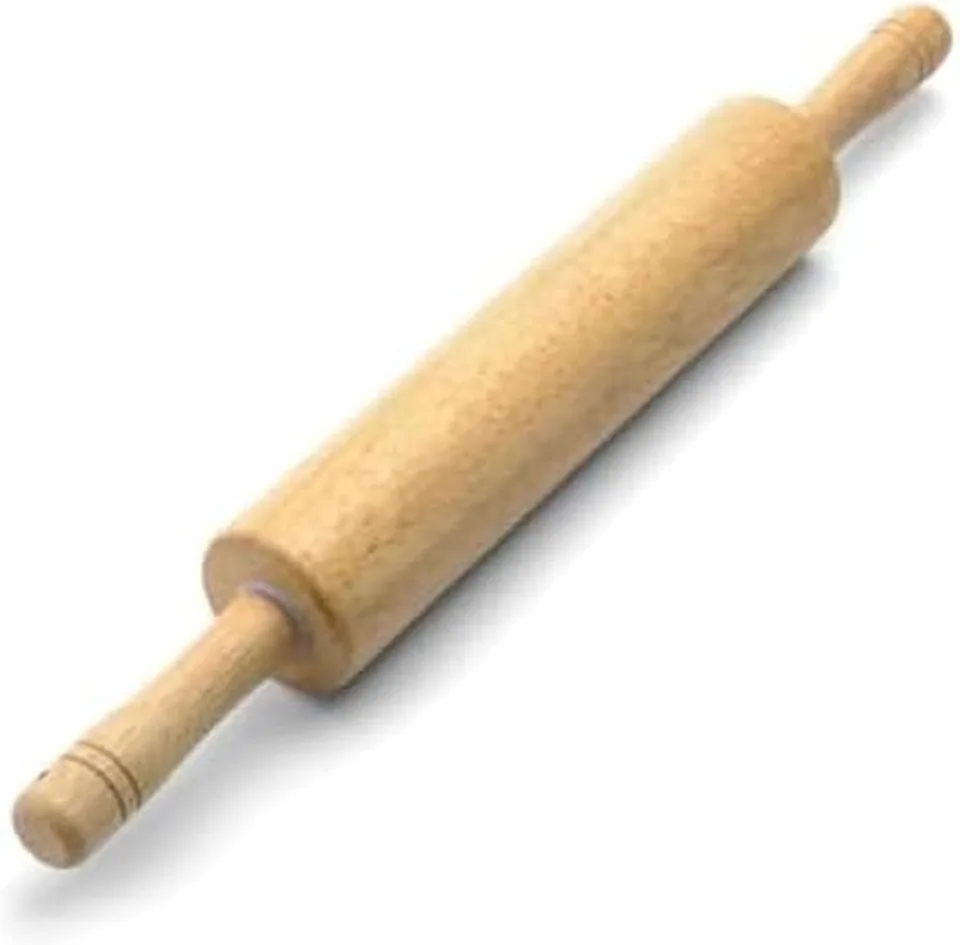
Farberware Classic Wood Rolling Pin

Farberware

Farberware Classic Wood Rolling Pin

Budget

A cheap, sturdy handled pin that does the basic job of rolling out pie dough and cookie dough. The bearings in the handles are basic, they won't spin as smoothly as a pricier handled pin, fine for occasional use.

Best for
Casual bakers who want an inexpensive traditional handled pin.

Check price on Amazon

J.K. Adams French Tapered Maple Rolling Pin

J.K. Adams

J.K. Adams French Tapered Maple Rolling Pin

Mid-range

American-made hard maple with a tapered French profile, gives more direct feel for dough thickness than a handled pin. Takes some getting used to if you've only rolled with a handled pin, there's a real learning curve.

Best for
Bakers who want more tactile control, especially for pie and pastry dough.
Manufacturer
J.K. Adams lists solid maple construction, made in Vermont.

Check price on Amazon

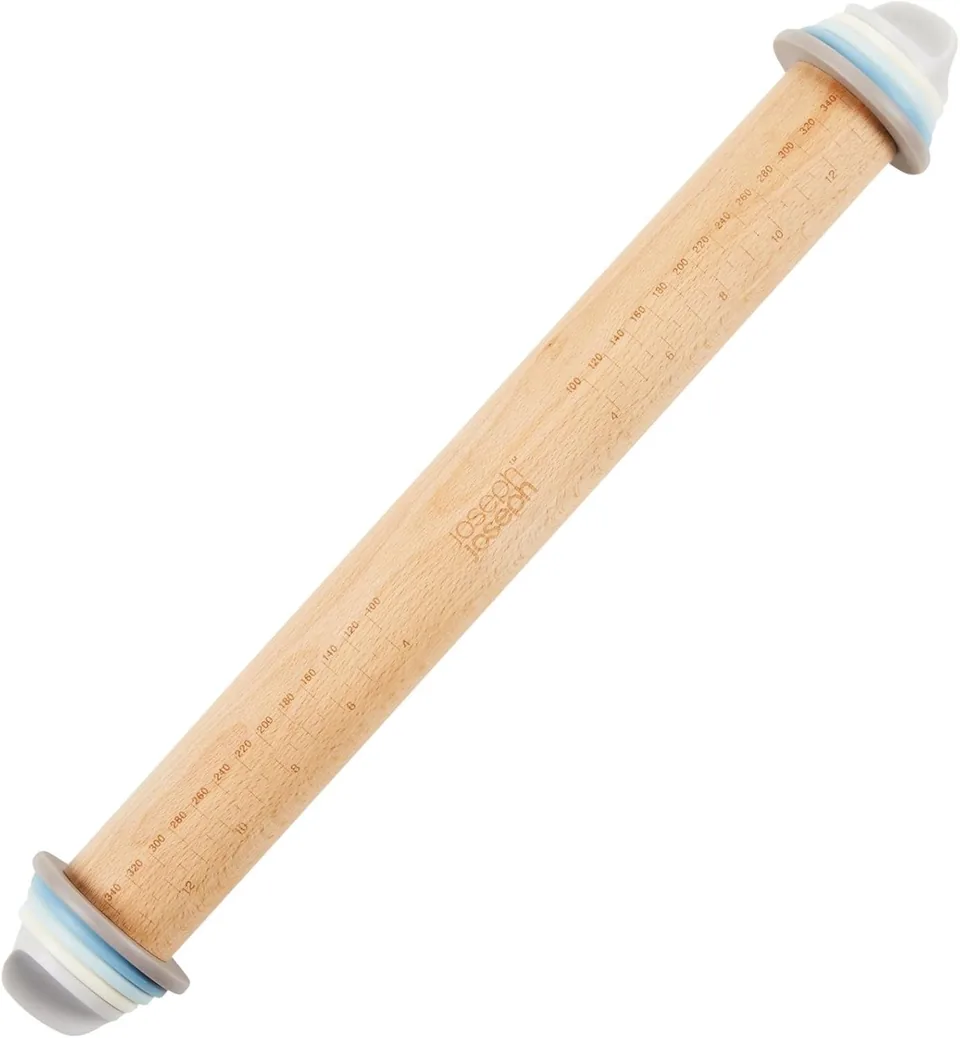
Joseph Joseph Adjustable Rolling Pin

Joseph Joseph

Joseph Joseph Adjustable Rolling Pin

Mid-range

Removable thickness rings let you roll dough to a consistent, repeatable thickness, genuinely useful for cutout cookies where even thickness matters for even baking. The rings are a gimmick if you already eyeball thickness fine.

Best for
Cutout cookie bakers who want consistent, repeatable dough thickness.

Check price on Amazon

Fletchers' Mill Baker's Rolling Pin

Fletchers' Mill

Fletchers' Mill Baker's Rolling Pin

Premium

Heavier, denser hard maple than most tapered pins, the extra weight does more of the work pushing through stiff, cold doughs. It's a specialty price for a rolling pin, buy it only if you roll dough often enough to feel the difference.

Best for
Frequent bakers who want a heavy, professional-feeling tapered pin.

Check price on Amazon

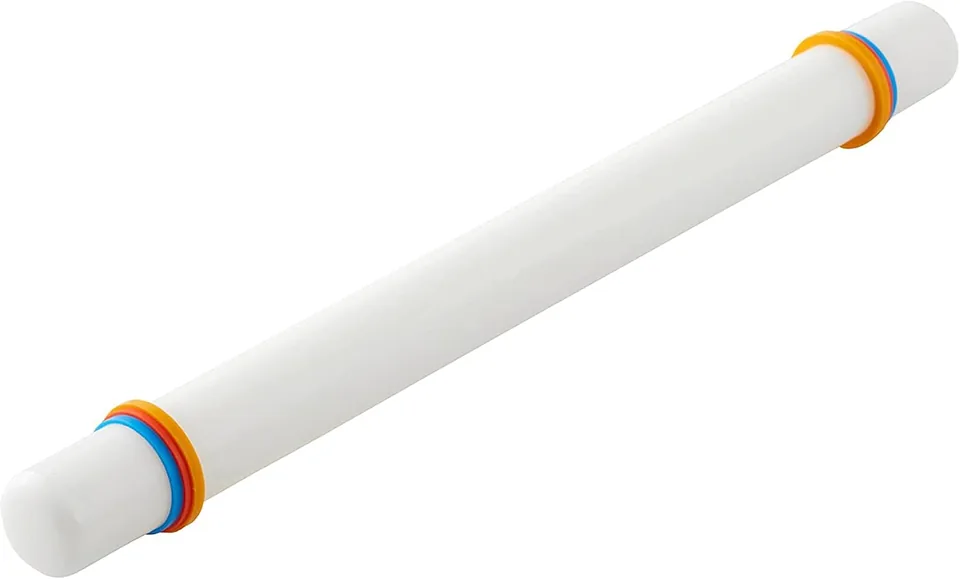
Wilton Fondant Roller with Guide Rings (20-Inch)

Wilton

Wilton Fondant Roller with Guide Rings (20-Inch)

Budget

A lightweight non-stick plastic pin with color-coded guide rings for rolling fondant to an even thickness, and it needs less flour dusting than wood for sticky doughs. It has less mass than wood, so it does less of the work on stiff dough, you'll push harder to get the same result.

Best for
Fondant and gum paste work, or bakers who want a lighter, easy-clean option.

Check price on Amazon

How we built this guide

We compare the intended use, manufacturer-published specifications, and relative price band of each pick. Show references are included only when we can connect the equipment to a named baker or production source. Brands cannot buy a place in the list.

← All gear guides