Baking Show

The equipment bench

Find baking gear that fits

Start with your mixer, your pans, and the way you actually bake. Then use our 44 plain-language guides and 206 compared picks to buy only the tools that earn their cupboard space.
Baker's toolkit

Start with the right fit

Match gear to your mixer and baking habits, or resize a recipe between common pans.

Always confirm the exact model number before buying bowls, beaters, or model-specific parts.

Start here

Three decisions worth getting right

Browse all guides ↓

The full shelf

All baking gear guides

Organized by the decision you are making, with the same honest approach on every page: who it suits, what to skip, and what the manufacturer actually specifies.

Mixers and attachments

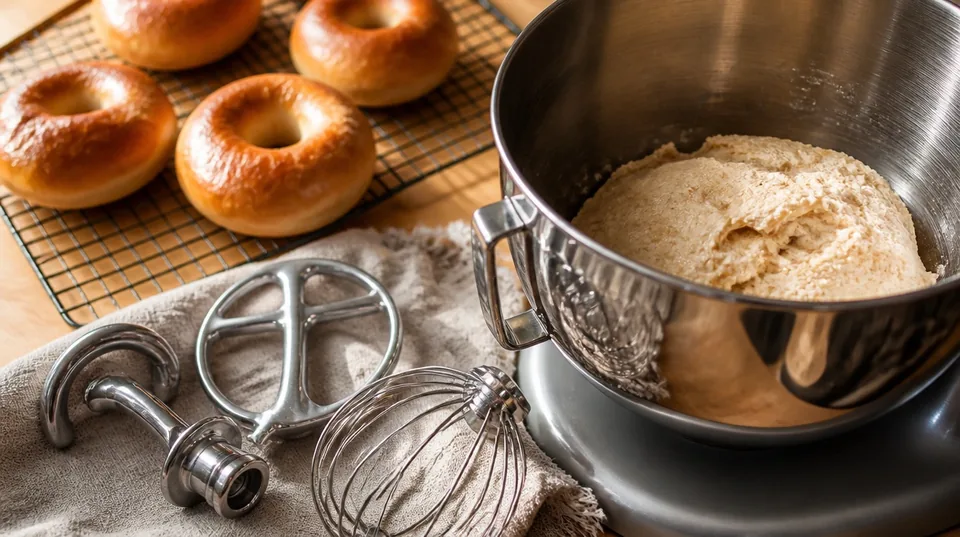
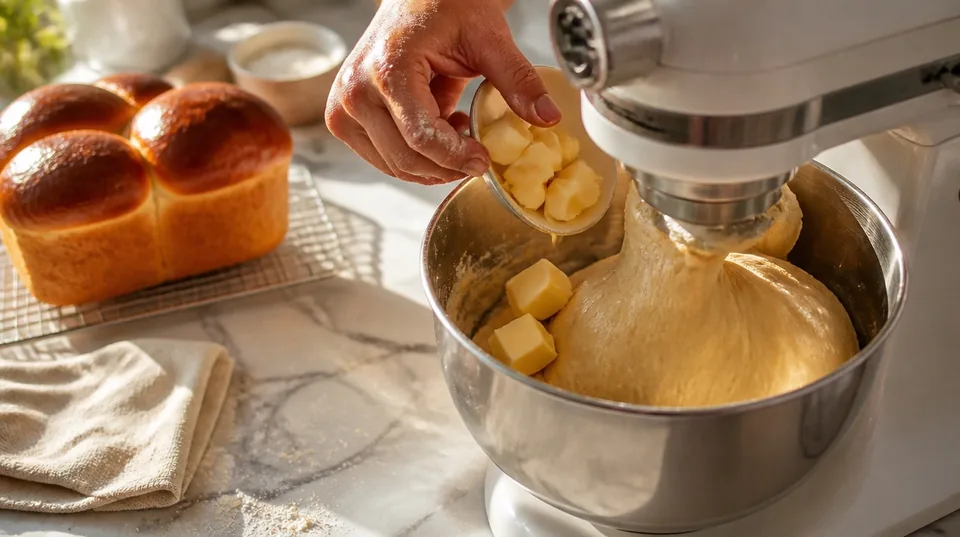
Stand MixersA stand mixer is the one splurge that changes how you bake: hands-free creaming, whipping and kneading, plus the attachment ecosystem that turns one motor into a dozen tools. It is also the appliance most associated with the tent and the championship kitchen. Below are six real picks across every budget, from the icon to the bread-baker's workhorse to a genuinely good sub-$100 starter.6 picksHand MixersA hand mixer earns counter space a stand mixer never will: it is cheap, it stores in a drawer, and it is plenty for whipped cream, meringue, boxed cake mix, and most cookie doughs. Below are five real picks across every budget, from an honest sub-$30 starter to the premium option with a built-in scraper.5 picksKitchenAid Stand Mixer AttachmentsThe attachment hub on a KitchenAid stand mixer is the real reason people buy the brand over a cheaper alternative. Not every attachment is worth owning, so here are five real ones with an honest read on which get used weekly and which sit in a drawer.5 picksKitchenAid AlternativesKitchenAid's brand premium is real, and not everyone wants to pay it. Four real stand mixers below match or beat KitchenAid on raw capability at a lower price or with a genuinely different mixing action, with an honest comparison against the KitchenAid Artisan on each.4 picksKitchenAid Classic Stand MixerThe KitchenAid Classic line is the entry point into the brand, and the real decision is Classic versus Classic Plus versus stepping up to the Artisan. Three picks below with an honest breakdown of what actually differs, which is less than the price gap suggests.3 picksKitchenAid Mini Stand MixerThe KitchenAid Artisan Mini trades bowl capacity for counter space and weight, which is exactly the tradeoff to weigh honestly before buying one. Three picks below: the Mini itself and two compact alternatives worth cross-shopping.3 picksKitchenAid Pro 600 and Bowl-Lift MixersThe Pro 600 sits above the tilt-head Artisan in KitchenAid's lineup, trading the tilt-head design for a bowl-lift frame built to handle bigger, stiffer loads. Three picks below, plus an honest read on when the cheaper Artisan is actually enough.3 picksKitchenAid Mixer DealsKitchenAid stand mixers rarely get deep discounts outside a few predictable windows: Black Friday and Cyber Monday, Amazon Prime Day, and the KitchenAid certified refurbished program, which sells factory-reconditioned units at a standing discount year-round. This page will not quote a specific live price since those change constantly and go stale fast; instead, here is which models to watch and where to check.4 picksKitchenAid OvensKitchenAid's built-in wall ovens and ranges are a showroom and installer purchase, not something bought through an Amazon link, so this guide covers the countertop ovens KitchenAid actually sells on Amazon. Treat these as a secondary, complementary appliance, not a wall-oven replacement, and measure your counter space before buying, they are large.3 picks

Pans and bakeware

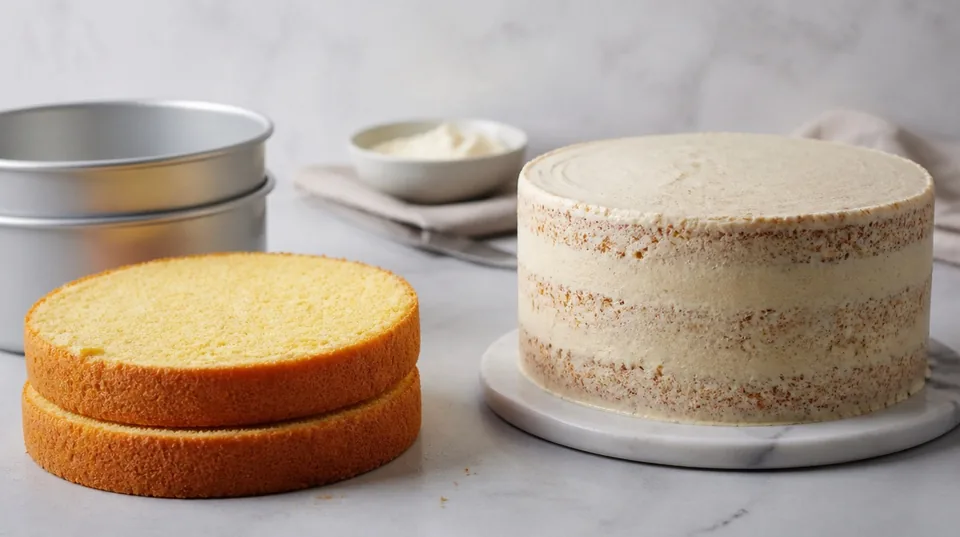
Bakeware SetsA bakeware set is a convenience buy, useful if you're stocking a kitchen from scratch, less useful if you already own a couple of good individual pans since sets often include shapes you won't use often. Check exactly which pan sizes are included before buying, sets vary a lot.5 picksBaking SheetsA good half sheet pan is heavy-gauge aluminum, thin cheap pans warp in a hot oven and bake unevenly. Buy at least two so one can cool while the next batch goes in.5 picks9x13 Baking DishesThe 9x13 is the workhorse pan of the American kitchen (casseroles, bar cookies, sheet-style cakes), and the real choice is glass versus metal versus ceramic, not brand. Glass lets you watch the bottom, metal browns edges better, ceramic goes straight to the table.5 picksCake PansFor layered cakes, buy pans in matching pairs so both layers bake to the same height and doneness at once. Heavier-gauge aluminum resists warping and gives more even browning than thin nonstick steel, but it usually costs more and is sold one pan at a time.5 picksBundt PansCast aluminum releases more evenly and browns better than lighter nonstick steel, which is why Nordic Ware still dominates this category decades after inventing the shape. Match the pan's stated cup capacity to your recipe; over or underfilling a fluted pan is the most common cause of a stuck or misshapen cake.5 picksSpringform PansThe one thing that matters on a springform pan is the seal, a loose latch or warped base will leak cheesecake batter into your oven. Buy from a brand known for a tight seal rather than the cheapest option on the shelf.5 picksLoaf PansMost loaf pan disappointment comes from thin, warping metal or a nonstick coating that fails within a year. Five real picks below, from the standard aluminized-steel workhorse to a lidded Pullman pan for square-edged sandwich bread.5 picksMuffin Pans & LinersPan gauge and coating affect browning and release more than cup count; a heavier pan browns muffin tops more evenly and resists warping over years of oven use. Parchment liners are the companion purchase if you want cleaner release and less pan cleanup.5 picksPie PansGlass lets you watch the bottom crust brown but heats slower, metal browns faster and more evenly but hides the crust from view. Pick based on which failure mode worries you more: soggy bottoms or over-browned edges.5 picksTart PansA removable bottom is non-negotiable for unmolding a tart cleanly. Beyond that, the choice is mostly fluted pan vs. perforated ring, and whether you're baking one large tart or several individual ones.4 picksAngel Food / Tube PansAngel food and chiffon cakes climb the sides of the pan as they bake, so the pan needs to stay ungreased, and the cake needs to be cooled upside down. A removable bottom and built-in inverting feet make both steps much easier.4 picksSpecialty Cake PansThis category spans everyday bundt pans you'll use constantly and one-off novelty shapes you'll use once a year. Buy cast-aluminum bundts for regular rotation and save the character/shaped pans for a specific occasion cake.5 picksPizza Stones & SteelsSteel beats stone on raw heat transfer, meaning better oven-spring and a browner bottom crust, but it costs more and weighs a lot. Stone is cheaper and lighter but heats and recovers between bakes more slowly, and can crack from thermal shock.5 picksBread Ovens (Dutch Ovens)"Bread oven" here means the enameled cast-iron or ceramic vessel bakers use inside a regular home oven to trap steam and get a crackly, artisan crust, not a standalone appliance. Any heavy lidded pot that holds heat well and seals in steam will work; the differences below are mostly weight, price, and how purpose-built the shape is for a round loaf.5 picks

Bread, pastry and prep

Sourdough Baking ToolsSourdough does not need a stand mixer, most doughs are mixed by hand or with a bowl scraper, but a handful of cheap tools make the difference between a dense loaf and a well-shaped, well-scored one. Five real picks below cover proofing, scoring, baking, and weighing.5 picksBanneton BasketsA banneton (proofing basket) shapes a wet dough during its final rise and, if it is rattan, wicks moisture and leaves the signature spiral pattern on a boule. Match the shape (round vs. oval) to the loaf you actually bake, and flour it well, unlined rattan will stick to a wet dough otherwise.4 picksRolling PinsRolling pins split into French tapered (no handles, more feel and control) and American style (handled, more leverage), pick based on how you actually roll rather than which looks nicer on a shelf. Weight matters too, a heavier pin does more of the work on stiff cold dough.5 picksPastry BrushesThe real choice is silicone versus natural bristle. Silicone is dishwasher-safe and never sheds; natural bristle holds and releases egg wash more delicately, which matters for fine work like laminated dough.4 picksKitchen ScalesA digital scale with 1-gram resolution is the single biggest accuracy upgrade you can make to baking, cups and spoons vary batch to batch, grams don't. Look for a large enough platform to hold a mixing bowl and a tare function you'll actually use.5 picksMixing BowlsMaterial matters less than most people assume; a non-slip base that keeps the bowl from spinning while you whisk one-handed makes a bigger practical difference day to day. Glass and stainless steel don't stain or hold odors the way older plastic bowls did.5 picksWhisksA whisk lives or dies by wire count and handle grip, more wires means faster air incorporation for egg whites and cream, fewer stiffer wires means better control for sauces and gravies. Most bakers only need one good balloon whisk, a second narrow one is a nice-to-have, not a must.5 picksFlour SiftersA squeeze-handle sifter works one-handed while the other steadies the bowl; a crank sifter needs two hands but often has a finer double mesh. Capacity matters if you regularly sift more than a couple cups at once.5 picksParchment PaperParchment paper is mostly a commodity, the real differences are pre-cut sheets versus rolls, coating quality, and whether it's bleached or unbleached. Pre-cut half-sheet-pan sizes save waste and the fumbling with a curling roll mid-bake.5 picksSilicone Baking MatsA good silicone mat replaces parchment for most baking and lasts years, but quality varies widely; fiberglass-reinforced mats from established brands hold their nonstick surface far longer than the cheapest imitations. Buy the half-sheet size to match a standard 13x18 sheet pan.5 picksCooling RacksA cooling rack just needs to lift baked goods off the pan for airflow, the real differences are stackability, tight-enough wire spacing for small cookies, and whether it fits your half sheet pan for baking-and-cooling in one rack.5 picksOven & Candy ThermometersBuilt-in oven dials commonly run 25 degrees or more off true temperature, which is why an independent oven thermometer is worth owning even on a new range. Candy and deep-fry thermometers are a separate, single-purpose tool for sugar-stage work like caramel and Italian meringue.5 picks

Decorating and finishing

Cake Decorating ToolsBeyond piping bags and tips (a separate category), the core decorating toolkit is a turntable, an offset spatula, and something to scrape clean sides, either a comb or a bench scraper. Buy these as single well-made tools rather than a giant bundled kit if you decorate often.5 picksPiping Bags & TipsDisposable bags are the low-maintenance default; reusable canvas bags feel more secure under heavy pressure but need washing between uses. Tip quality and coupler fit matter more to your results than bag brand, so a small set of well-made tips beats a giant bin of rarely used ones.5 picksCookie CuttersCookie cutters split into two real categories: cheap tin sets for seasonal novelty shapes, and heavier stainless steel cutters that hold a crisp edge through years of dough. Buy cheap for shapes you'll use twice a year, buy stainless for the rounds and fluted edges you'll reach for every week.5 picksCake ToppersCake toppers are one of the few baking categories where Amazon search results skew heavily toward generic, unbranded sellers rather than established baking or party brands. The picks below are from Wilton, the one major, currently-sold brand that still makes topper products, spanning birthday, wedding and themed options.4 picksSprinkles & Edible GlitterSprinkles are cheap and interchangeable at the grocery-store level, so the real reasons to pay more are curated color blends for a styled bake or genuine edible glitter, since a lot of "glitter" sold for cakes is only non-toxic, not edible. Check the label says edible before dusting it on food.5 picksCake StandsA cake stand is mostly about display, but check the base diameter against your typical cake size and make sure the material (glass, ceramic, or metal) matches how you'll clean and store it. Pedestal height affects how a cake photographs and how easy it is to decorate the top without leaning over it.5 picksOven MittsThe two things that matter with an oven mitt are cuff length (how far up your forearm it protects) and grip. Silicone shells resist heat and wipe clean but are bulkier; quilted fabric mitts are more dexterous but shouldn't touch anything wet or very hot for long.5 picksBaking ApronsAn apron's job is to protect clothes and give you a place to wipe your hands, past that it comes down to fabric weight, coverage, and whether the straps stay put when you lean over a mixer bowl. Crossback styles distribute weight better than a single neck loop, worth paying for if you bake in an apron for hours at a time.5 picksBaking CookbooksThe best baking cookbooks teach technique, not just recipes, so a loaf or cake still works the second time even after you deviate from the exact ingredients on hand. Five acclaimed, currently-sold titles below, each aimed at a different kind of baker.5 picks

As an Amazon Associate we earn from qualifying purchases. See our affiliate disclosure.